
Modular Smart Homes That Grow With You

Start With a Solid, Swappable Core

Why Modularity Beats All-in-One Boxes

Interoperability Through Open Protocols

Power, Mounting, and Safety Considerations

Plug-and-Play Pathways
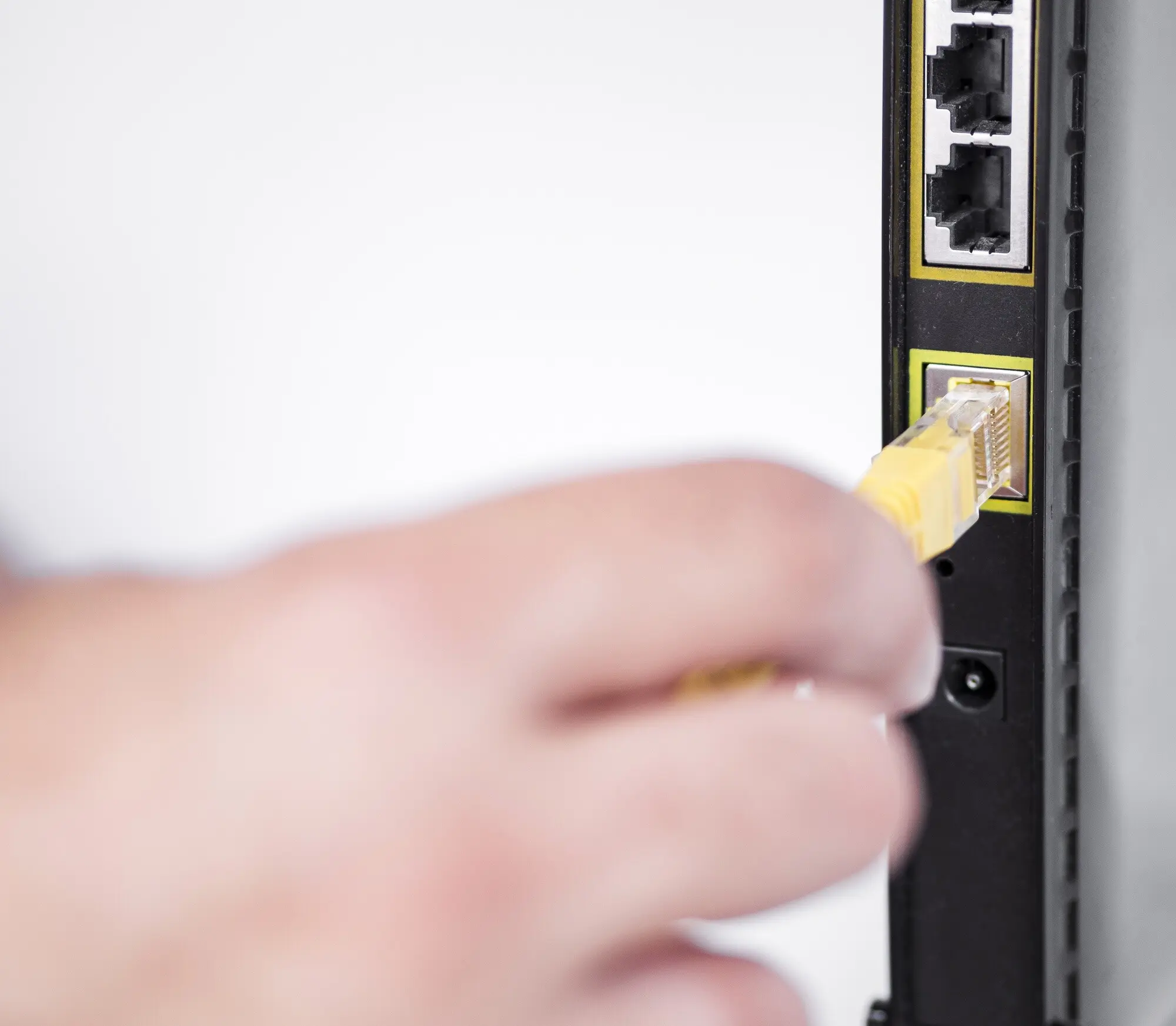
Choose devices that announce themselves cleanly, import settings, and auto-map to existing rooms. Clear onboarding wizards, QR codes, and standard provisioning dramatically cut setup time. A homeowner recently added a Thread border router during lunch, watched existing accessories reattach gracefully, and returned to meetings on time. That’s the promise: components that recognize neighbors, adopt policies, and deliver benefits immediately without wrenching manual reconfiguration.
Firmware That Doesn’t Break Breakfast
Reliable upgrade paths provide signed images, staged rollouts, and easy rollbacks if something behaves oddly. Schedule updates overnight, snapshot configurations, and read changelogs that highlight risk areas. Mature vendors publish test matrices and community notes. One family told us their lights once glitched at dawn; moving to staggered updates with automated regression tests ended the drama and restored calm breakfasts, every weekday and weekend.
Backward Compatibility and Data Carryover
Upgrading should keep historical data, scenes, and schedules intact. Look for migration tools that map names, rooms, triggers, and permissions without manual re-entry. Back up routines as human-readable files, not only opaque databases. When you replace a thermostat, it should import seasonal schedules and learned patterns immediately. Continuity reduces friction, builds trust, and turns technology into a stable companion rather than a fickle houseguest.
Maintenance You Can Actually Keep Up With

Security and Privacy That Scale With Change


A Weekend Apartment Transformation
Busy Family, Peaceful Routines
Caring for Aging Parents With Dignity