
Make Interior IoT Honest with Product Passports and Spare-Parts Transparency

Today we journey into Product Passports and Spare-Parts Transparency for Interior IoT Devices, showing how clear documentation, durable identifiers, and open parts catalogs turn smart lamps, thermostats, purifiers, and speakers into maintainable companions. Expect practical patterns, standards you can adopt now, mistakes to avoid, and ways to invite customers, technicians, and facility managers into a trustworthy loop. Share your experiences, ask questions, and subscribe to help shape what responsible connected interiors feel like.

Why Openness Outlasts Obsolescence

Planned obsolescence collapses when ownership includes clarity. For connected fixtures living beside sofas and sleeping children, readable product passports and transparent spare-parts paths reduce e-waste, shorten downtimes, and multiply trust. We connect EU Digital Product Passport ideas, right-to-repair momentum, and practical service playbooks you can test this quarter, before compliance deadlines force hurried, brittle, and expensive retrofits.

Decoding the Digital Product Passport

Standards lower friction when everyone can read the map. Use GS1 Digital Link for scannable URLs, pair with serial-resolved endpoints, and capture lifecycle events through EPCIS. Design NFC or durable QR touchpoints, provide offline fallbacks, and implement privacy-by-design so ownership, not surveillance, drives every interaction.

Identifiers That Stay Put

Make the passport resolvable to a single device. Combine GTIN for the family with serialized identifiers, UUIDs, or DIDs for the individual unit, and bind network MACs cautiously. Keep entropy high, collisions impossible, and recovery procedures simple when labels fade, apps change, or vendors merge.

Packaging Touchpoints That Endure

Interior devices live near heat, sunlight, cleaners, and curious toddlers. Print QR codes under varnish, engrave stainless plates, or use NFC with tamper-evident adhesives. Keep instructions multilingual, legible at dim lamp levels, and mirrored digitally, so renters and future owners can always retrieve authoritative records.

Spare-Parts Clarity Without Friction

Repairs stall when parts are mysteries. Offer a searchable catalogue that maps assemblies to replaceable units, with exploded drawings, photos, revision ladders, lead times, and regional substitutes. Show what’s interchangeable, what needs calibration, and what voids safety certifications, so decisions stay smart, swift, and safe.

Security, Safety, and Trustworthy Updates

A passport is only credible if updates don’t erode safety. Expose firmware provenance, checksums, and change logs; publish SBOMs; and document vulnerabilities with timelines. Support cryptographically signed updates, staged rollouts, and rollback plans, alongside clear instructions for recovery modes within ordinary living rooms and hotel suites.
Offer machine-readable formats for tools, but simplify for readers: group libraries by function, highlight licenses, and mention known CVEs in plain language. Explain exposure conditions within homes, not datacenters, and show which firmware branches receive patches, including end-of-support dates right inside the passport itself.
Choose optional schedules, quiet hours, and physical-confirmation fallbacks for critical changes. Document risks and benefits, expose release notes in the passport, and provide a hotline for stuck recoveries. Remember shared spaces: rentals, schools, and lobbies need predictable behavior that facility staff can confidently explain.
Ownership changes deserve ceremony, not resets. Provide a guided transfer flow that wipes personal data while keeping warranty, repair history, and safety recalls intact. Use the passport as the ledger, recording custody changes and offering APIs for property managers to orchestrate fleets without chaos.

Sustainability That Shows Its Work

Claims matter less than evidence. Present lifecycle assessments, repair-versus-replace calculators, and modular upgrade paths inside the passport. Quantify embodied carbon, typical energy usage, and expected longevity with available spare-parts curves. Invite buyers to compare models on waste avoided, not only lumens, decibels, or glossy finishes.

Materials Worth Bringing Indoors

List plastic resins, flame retardants, adhesives, and coatings with VOC profiles suitable for bedrooms and nurseries. Distinguish contact surfaces from enclosures. Highlight recycled content and recyclability pathways. Pair each claim with a document, certificate, or audit link, so sustainability feels verifiable, not merely aspirational marketing poetry.

Service Windows That Beat the Landfill

Publish recommended maintenance cycles and typical part fatigue points, then show expected availability windows that exceed the device's median lifetime. Design for easy disassembly without exotic tools. When economics favor replacement, explain the math and offer take-back credits that keep plastics, metals, and PCBs in circulation.
Designing for Real Homes and Beautiful Spaces

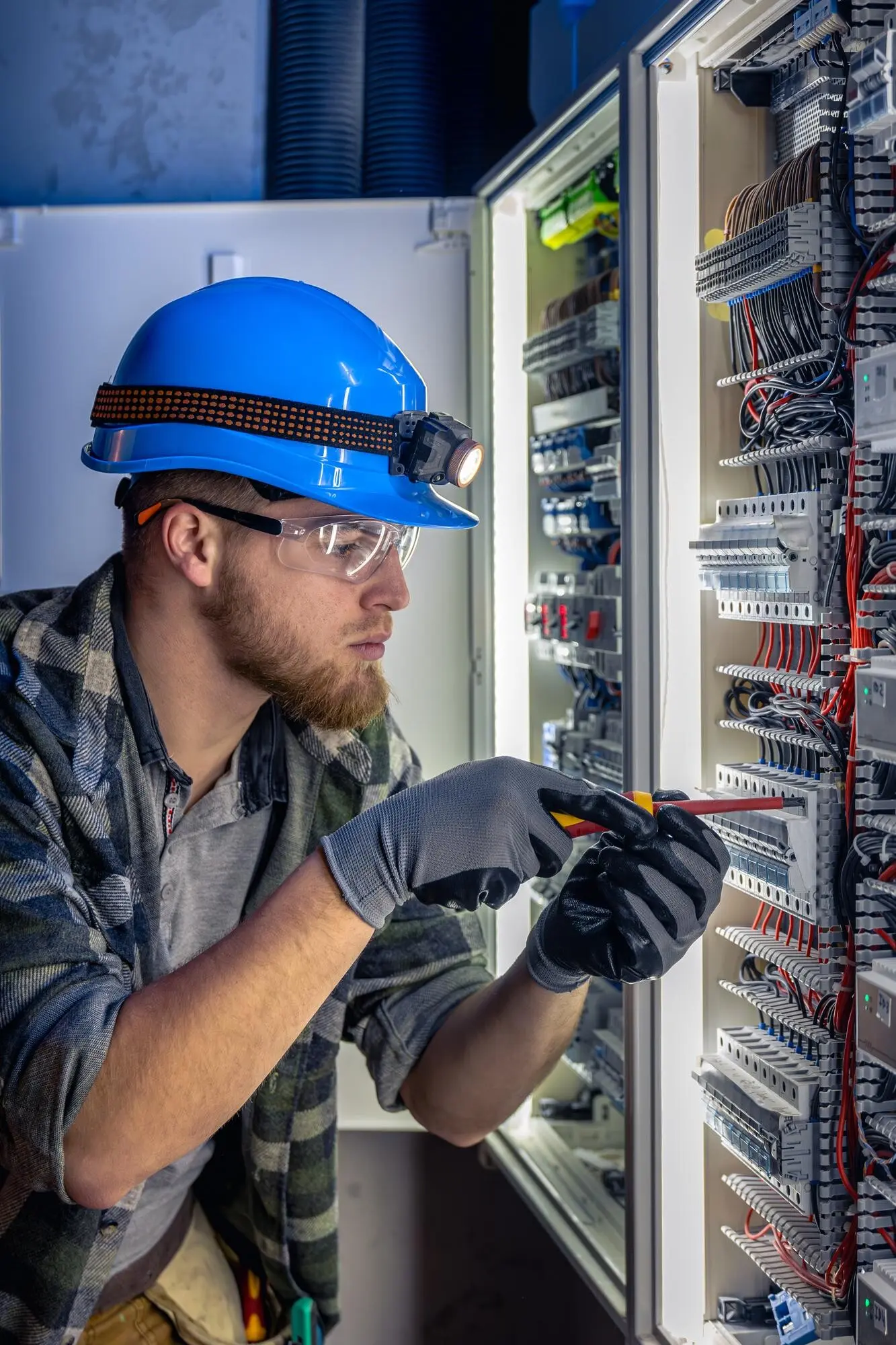
Interior IoT must coexist with fabrics, finishes, and routines. Design spare-parts access points that don’t scar paint or cabinetry. Use quiet fans, sealed bearings, and dust-resistant geometries. Document cleaning chemicals allowed on fascias. Keep mounting hardware standard, labeled, and replaceable without dismantling half the living room.

Hidden Yet Serviceable

Aesthetic minimalism often hides screws and seams. Plan magnetic covers, color-matched gaskets, and guided slots that welcome tools without chipping lacquer. Provide videos showing realistic kitchen or lobby contexts, not pristine studios, so owners learn to service discretely placed devices without collateral damage or lingering rattles.

Silence Meets Maintainability

Quieter rooms demand dust management and vibration control. Specify rubber isolators, balanced impellers, and mesh densities that block hair without throttling airflow. Log cleaning intervals in the passport and explain audible symptoms that predict failures, empowering households to intervene early instead of tolerating buzzing, humming, or overheating.

Vanisavidavo
Privacy Overview

This website uses cookies so that we can provide you with the best user experience possible. Cookie information is stored in your browser and performs functions such as recognising you when you return to our website and helping our team to understand which sections of the website you find most interesting and useful.