Modular Smart Homes That Grow With You

Today we dive into modular smart home systems designed for easy maintenance and effortless upgrades. Instead of ripping out entire setups, you can snap in new capabilities, retire outdated parts, and keep everything running smoothly. We’ll share clear frameworks, candid lessons, and stories from real households to help you plan confidently, spend wisely, and expand gradually. If you want simpler upkeep without sacrificing innovation, stick around, ask questions in the comments, and subscribe for hands-on guides, checklists, and timely alerts that keep your home evolving on your schedule.

Start With a Solid, Swappable Core

A resilient smart home begins with a clear separation of roles: a dependable hub, interoperable devices, and modular automations that can be replaced or upgraded without redoing everything. Think standardized connectors, stable power, and open protocols that welcome newcomers. This foundation reduces complexity, prevents fragile chains of dependencies, and lets you expand room by room while keeping maintenance simple and predictable for years.

Why Modularity Beats All-in-One Boxes
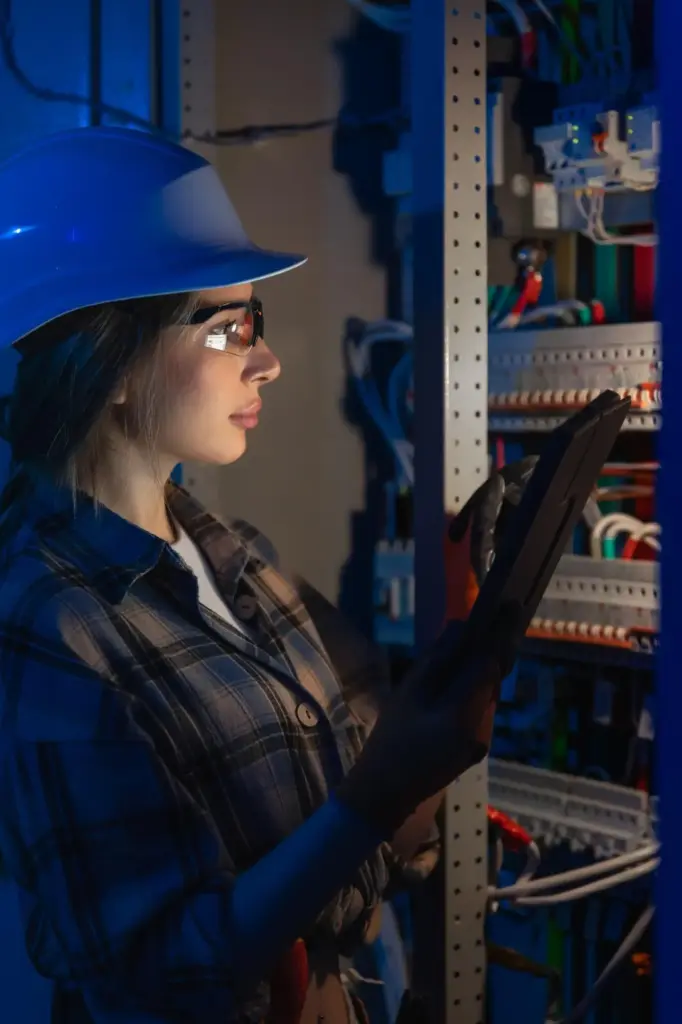
One monolithic device promises convenience until a single failure brings everything down or a vendor sunsets support. Modular approaches prevent hostage scenarios, spreading risk across independent pieces. When one sensor ages or a radio standard evolves, you replace only what changed, preserving investments and habits. A reader told us she swapped a dated hub in minutes, keeping every routine intact.

Interoperability Through Open Protocols

Open standards like Matter, Thread, Zigbee, Z-Wave, and reliable Wi‑Fi links help devices cooperate without walled gardens. You gain freedom to mix brands, prioritize features, and iterate confidently. Interoperability also protects maintenance workflows: diagnostic tools, backups, and firmware processes remain consistent across generations. Choose gear with transparent roadmaps, certification badges, and proven community support to avoid painful compatibility surprises.

Power, Mounting, and Safety Considerations

Modularity thrives on predictable physical design. Favor standardized backplates, keyed connectors, and labeled wiring so swaps are clear and repeatable. Safe power matters: isolate low-voltage lines, use surge protection, and prefer devices with thermal safeguards. Quick-release mounts let you pull a unit for testing without disturbing paint or drywall. Add cable labels, breaker maps, and documentation, turning maintenance into a calm, practiced routine.

Plug-and-Play Pathways

Choose devices that announce themselves cleanly, import settings, and auto-map to existing rooms. Clear onboarding wizards, QR codes, and standard provisioning dramatically cut setup time. A homeowner recently added a Thread border router during lunch, watched existing accessories reattach gracefully, and returned to meetings on time. That’s the promise: components that recognize neighbors, adopt policies, and deliver benefits immediately without wrenching manual reconfiguration.

Firmware That Doesn’t Break Breakfast

Reliable upgrade paths provide signed images, staged rollouts, and easy rollbacks if something behaves oddly. Schedule updates overnight, snapshot configurations, and read changelogs that highlight risk areas. Mature vendors publish test matrices and community notes. One family told us their lights once glitched at dawn; moving to staggered updates with automated regression tests ended the drama and restored calm breakfasts, every weekday and weekend.

Backward Compatibility and Data Carryover

Upgrading should keep historical data, scenes, and schedules intact. Look for migration tools that map names, rooms, triggers, and permissions without manual re-entry. Back up routines as human-readable files, not only opaque databases. When you replace a thermostat, it should import seasonal schedules and learned patterns immediately. Continuity reduces friction, builds trust, and turns technology into a stable companion rather than a fickle houseguest.

Maintenance You Can Actually Keep Up With
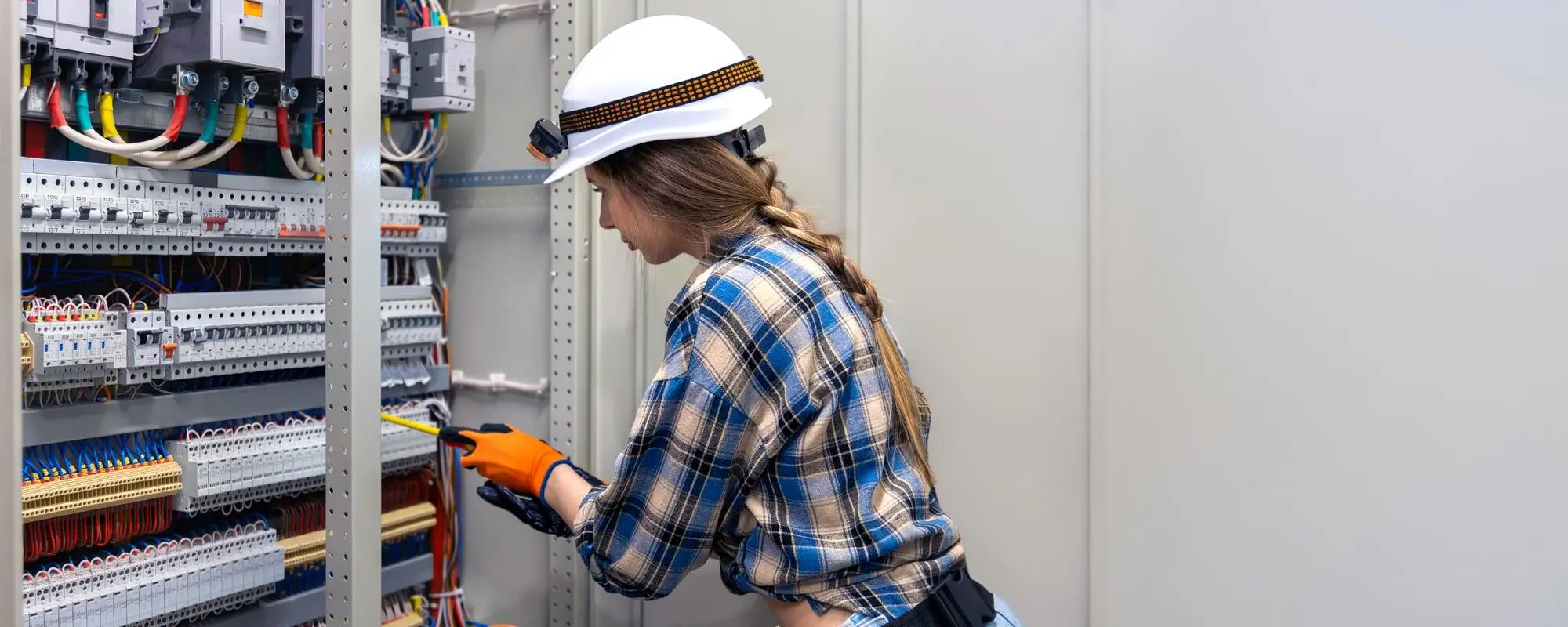
Sustainable maintenance favors visibility and tiny, regular actions. Use dashboards that flag low battery levels, weak signal paths, unusual power draw, and offline modules before frustrations spread. Keep a small kit of spares, labeled screws, and preconfigured backups. Document naming conventions and change history. With modular pieces, you isolate faults faster, swap wisely, and keep routines reliable, freeing weekends for friends, books, and bright mornings.

Security and Privacy That Scale With Change

A home that evolves must defend itself gracefully. Favor hardware-backed keys, signed updates, and permission scopes tied to rooms and routines. Isolate guest devices, rotate credentials on module swaps, and log administrative actions. Keep critical automations available locally when the cloud naps. Privacy grows from minimization, consent, and transparency, ensuring that convenience never outruns dignity while your system modernizes section by section without fear.

A Weekend Apartment Transformation

Maya, a renter, swapped a balky Wi‑Fi hub for a Thread-capable controller, added battery contact sensors, and moved two smart plugs to a shared power strip. She labeled rooms, migrated scenes, and kept all routines. Sunday’s brunch arrived without troubleshooting. The following week, she replaced only a noisy sensor, proving upgrades can be tiny, targeted, and wonderfully boring in their reliable, drama-free execution.

Busy Family, Peaceful Routines

The Lopez family layered occupancy sensors and voice assistants room by room, starting with bedtime lights and morning thermostats. When a motion sensor began lagging, they swapped it during homework time, no tears or confusion. A later doorbell upgrade imported zones and chimes automatically. Their home became kinder to schedules, and maintenance shrank to minutes, supporting sports practice, quiet reading, and long, unhurried breakfasts together.

Caring for Aging Parents With Dignity

Ravi added fall-detection lighting paths, gentle nightlights, and medication reminders using modular devices that respected privacy. When the hallway sensor aged, he replaced it in ten minutes, retaining schedules and brightness curves. An energy monitor flagged an aging kettle; they upgraded safely before trouble. Small, careful changes safeguarded independence, proving that thoughtful modularity can protect comfort while avoiding intrusive surveillance or disruptive, risky overhauls.

Plan the Budget, Reap the Long-Term Rewards

Modularity shines financially by stretching each dollar across years. You buy only what you need, upgrade selectively, and avoid painful rip-and-replace cycles. Track total cost of ownership, not just sticker prices. Value open standards, serviceability, and community documentation. With a steady roadmap and reasonable spares, you reduce emergencies, preserve resale value, and keep flexibility high, allowing curiosity without committing to irreversible, expensive corners.
Vanisavidavo
Privacy Overview

This website uses cookies so that we can provide you with the best user experience possible. Cookie information is stored in your browser and performs functions such as recognising you when you return to our website and helping our team to understand which sections of the website you find most interesting and useful.