
Rebuilding Smart Furniture with Open Hardware Power
Welcome, makers and caretakers of living spaces! Today we dive into Open-Source Hardware Ecosystems for Repairable Smart Furniture, celebrating designs that invite tinkering, respect your wallet, and honor the planet. Expect actionable ideas, heartfelt stories, and practical pathways to keep beloved pieces alive longer, safer, and smarter.

Why Repairability Matters Now
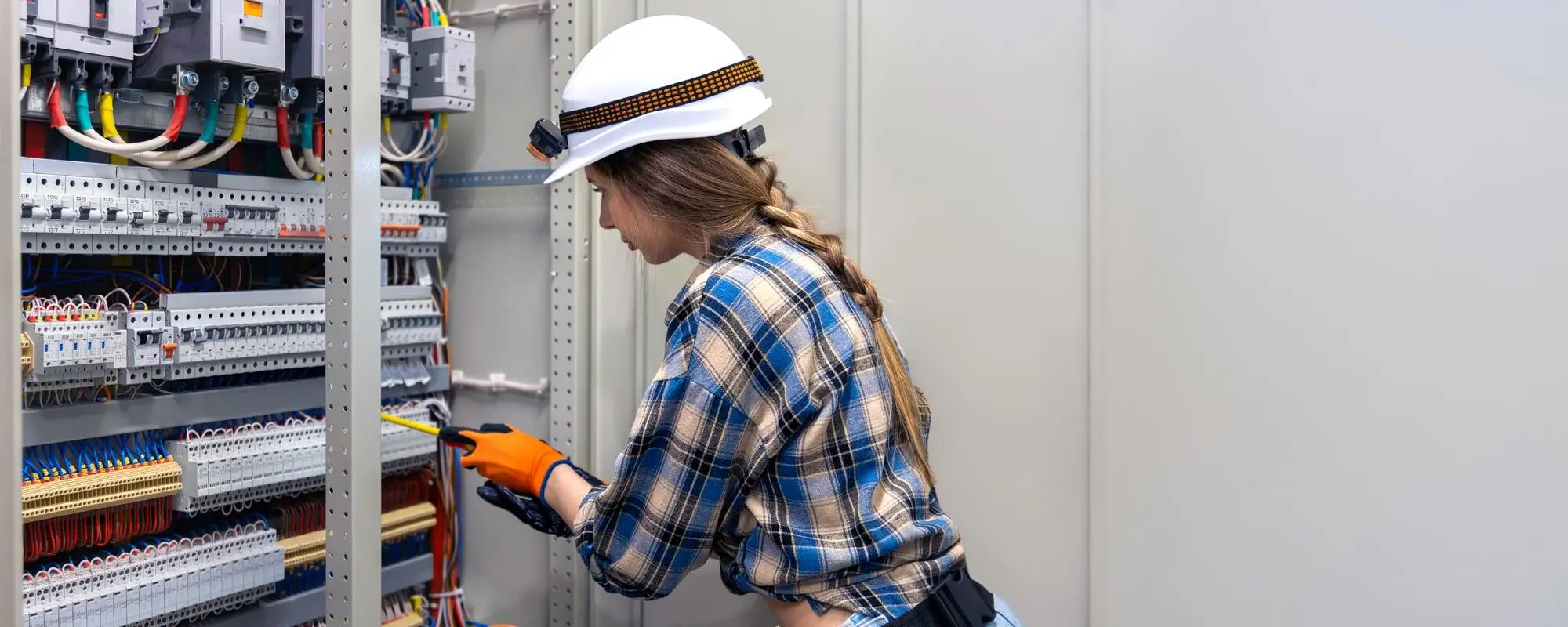
Landfills increasingly receive furniture packed with chips, batteries, and tangled wiring that fail long before wood or metal wear out. Choosing repairable construction changes that trajectory by extending service life, reducing e‑waste, and strengthening household resilience. When designs, parts, and schematics are openly shared, independent technicians, community workshops, and curious owners can recover functionality quickly and affordably. The result feels empowering: fewer replacements, safer interiors, and more trust in the objects supporting daily routines. Share your experiences below and help map what breaks, what works, and what still needs fixing.
Anatomy of an Open Smart Furniture Stack
Behind a delightful desk, nightstand, or sideboard, an open stack aligns mechanics, electronics, and software so repairs are discoverable. Clear labeling, modular boards, and readable schematics meet accessible fasteners and cable paths. Documentation binds it together, ensuring future you—or a neighbor—can service, upgrade, and extend capabilities confidently.
Fasteners and Access That Respect Wood and Metal
Choose machine screws into metal inserts, not wood screws into end grain. Design finger‑safe access doors, cable grommets, and magnetic panels. Include spare hardware in a taped envelope. Future adjustments happen smoothly, without stripped holes, cosmetic scars, or workshop dread before dinner guests arrive.
Cables and Connectors With Clarity
Adopt keyed JST‑VH or Micro‑Fit connectors, color‑code power versus data, and place strain reliefs that survive furniture motion. Label both ends, mirror pinouts in documentation, and include test pads. A neat harness saves hours during troubleshooting and prevents heartbreaking intermittent faults.
Swappable Brains and Sensor Pods
Mount microcontrollers on daughterboards using headers, with dedicated pods for light, motion, temperature, or occupancy. Define physical envelopes and I2C addresses. When needs change—say nursery to studio—you can rotate modules, recalibrate behaviors, and keep beautiful cabinetry unchanged, calm, and useful.
Interoperability and Local Control
Open furniture thrives when it speaks common languages and runs even when the internet blinks. Embrace local‑first control, privacy‑respecting defaults, and bridges to popular ecosystems. With stable protocols and predictable power budgets, your pieces cooperate gracefully today and keep options open for tomorrow’s integrations.
Community, Licensing, and Documentation
Open ecosystems flourish when people can legally share, remix, and commercially build on proven designs. Choose licenses with intent, back them with respectful governance, and maintain documentation that treats newcomers kindly. Healthy communities fix bugs faster, surface edge cases, and celebrate creativity without locking anyone out.

From Broken to Better: A Repair Journey
A neighbor brought over a smart standing desk that wouldn’t lift after a storm. Together we traced power, inspected MOSFETs, and checked limit switches using open schematics. An open module set arrived two days later; the desk now glides smoothly, quieter than ever, and logs healthy currents.